

Guardrail Systems Explained: How They Keep South African Roads Safer
Roadside protection is vital in highway construction and traffic management. A correctly specified guardrail can help prevent vehicles from leaving the roadway, reduce collision severity and protect motorists near hazardous roadside features. For municipal authorities and road contractors, selecting an approved system is also essential for meeting road safety requirements.
Armco Superlite is a leading manufacturer and supplier of road safety equipment serving customers throughout Southern Africa, with products designed for demanding road infrastructure applications.
Understanding W-Beam Guardrail Systems and Crash Ratings
Steel W-beam barriers are widely used on South African roads because their corrugated profile provides strength and controlled deformation during vehicle impact. The system is designed to redirect an errant vehicle, helping reduce the risk of serious collisions with roadside hazards.
Different installations require different containment levels. Crash performance classifications under EN 1317 help engineers specify systems according to tested containment capability and impact performance. Factors such as working width and impact severity must be considered during specification.
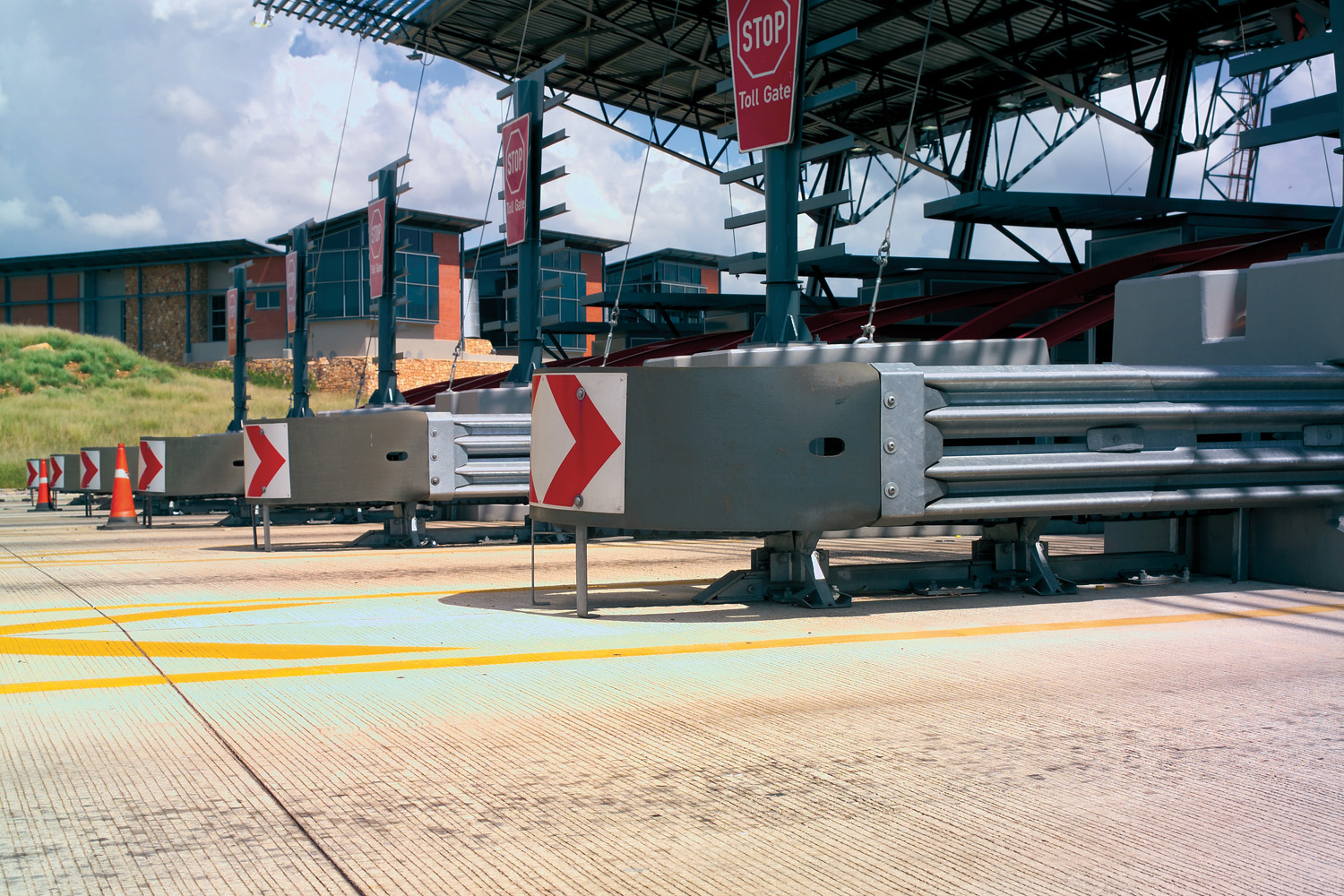
At Armco, our W-beam products are available in standard and galvanized steel options. We also offer specialised end treatments, including the EuroET Terminal™, which meets or exceeds EN 1317-4 P4 criteria, and the Trend CEN End Terminal, tested as a P4 terminal for 110 km/h.
Request a Guardrail Supply Quote
Where Are Road Barriers Required?
Road authorities and design engineers assess roadside hazards to determine where protective barriers are necessary. Placement is essential where an errant vehicle could encounter an obstacle or dangerous drop. Common applications include:
- Sharp Curves: Barriers help prevent vehicles from leaving the roadway at bends where visibility or road alignment presents additional risks.
- Elevated Roads and Embankments: Protection is important near steep slopes and raised road sections where a vehicle could fall onto lower ground.
- Bridge Approaches: Barriers help guide traffic near bridge structures and exposed edges.
- Roadside Obstacles: Trees, rigid structures, utility installations and other hazards may require protective separation.
The appropriate system must be determined through an engineering assessment and the relevant road authority specifications. The site layout and anticipated traffic conditions influence the required containment level.
Installation Standards and Correct Positioning
For optimum W-beam guardrail performance, correct installation is essential. The rail, posts, spacers and terminal components must be installed according to the approved system design and manufacturer instructions.
Armco’s steel systems are manufactured in accordance with SANS 1350 and EN 1317 standards. Available rail sections include standard effective lengths, with special lengths and curved sections also available for particular site requirements.
Post spacing and foundation conditions must follow the approved installation drawings. Contractors should check soil conditions before driving posts and confirm that each connection is securely fastened. Transitions between barriers and bridge structures also require careful attention.
Properly specified end treatments are particularly important at exposed barrier ends. These components help manage impact forces and reduce the danger presented by an untreated rail termination.
Galvanizing, Maintenance and Repair
Roadside steel is exposed to rain, moisture, dust and changing temperatures. Galvanizing provides a protective zinc coating that helps prevent corrosion and extends the service life of steel components.
We carry the SATAS mark for hot-dip galvanizing. Our work is completed in accordance with SANS 121/ISO 1461 specifications. We offer standard and galvanized W-beam products to accommodate most project requirements.
Routine inspections should identify corrosion, loose connections, damaged posts and displaced rail sections. After a collision, replace damaged components immediately. Terminals and adjoining sections should also be checked to confirm that the complete installation retains its specified performance.
What Determines Installation Costs?
Project costs depend on total barrier length and galvanizing requirements. Post quantities, terminal selection, ground conditions and site accessibility also influence the final quotation. A detailed site assessment helps contractors establish material quantities and installation requirements before work begins.
Arm Yourself with Armco for Your Road Safety Equipment
Choosing experienced guardrail suppliers in South Africa is essential for infrastructure projects requiring dependable roadside protection. At Armco Superlite, we offer superior-quality steel safety products and galvanizing expertise to customers throughout Southern Africa.
Consult us well in advance for professional advice and friendly service before you submit your next guardrail tender or start a highway, municipal or construction project.