

Road Barriers in South Africa: A Complete Guide to Types, Uses & Safety Standards
South African highways, byways, and construction zones rely on advanced safety systems that reduce collision impact and guide vehicle movement. Modern road barriers are therefore essential for accident prevention, traffic control, and worker protection across busy transport networks.
At Armco Superlite, we are a respected name within South Africa’s traffic safety sector. We manufacture and supply barrier systems engineered for public roads, industrial areas, temporary work zones, and high-risk roadside sections. Our product range includes steel guardrails, wire rope systems, and water-filled units designed for visible guidance and impact absorption.
Understanding Road Barriers
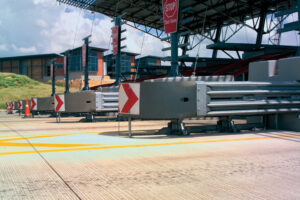
Traffic engineers use barrier systems to separate lanes, protect pedestrians, reduce crossover accidents, and limit vehicle departure along dangerous curves or embankments. Several road barrier types appear across South African roads, each created for a specific operational purpose.
Steel guardrails are common along national routes and regional highways. These galvanised systems absorb collision energy while redirecting vehicles back toward the carriageway. At Armco, we manufacture superior-quality guardrail systems that perform well along bridges, mountain passes, interchanges, and roadside drop-off areas. Their durable steel construction manages harsh weather conditions and long-term outdoor exposure.
Wire Rope Systems
Wire rope safety fences offer another effective road safety solution. These cable-based systems use tensioned steel ropes attached to posts, and during impact, the cables flex and dissipate crash energy, reducing sudden deceleration. Many transport planners install these road safety barriers along median strips due to their excellent containment capabilities.
Water-Filled Barriers
Temporary water-filled units appear frequently near construction sites, municipal works, and event venues. These road traffic barriers use interconnected sections filled with water or sand to create a highly visible protective line. Their modular design allows rapid installation and relocation, making them practical during roadworks and short-duration projects.
We also supply new-generation water-filled systems featuring improved visibility, lighter transport weight before filling, and enhanced stability after deployment. These units assist contractors seeking practical traffic channelisation without permanent installation.
Safety Standards for Crash Barriers in South Africa
Safety compliance is essential within modern traffic engineering. Crash barriers in South Africa must satisfy strict performance and durability requirements. Engineers evaluate barriers according to vehicle containment, impact redirection, structural integrity, and visibility.
Road authorities also consider site conditions such as traffic volume, speed limits, terrain, and accident history before selecting a suitable system. High-speed highways often require heavy-duty steel installations, while urban construction areas may rely on temporary water-filled barricades.
Reflective markings and visible colouring improve nighttime recognition. Proper spacing and installation angles also influence barrier effectiveness. Routine inspection helps identify corrosion, impact damage, or alignment problems before safety performance declines, which is why sourcing from a trusted road barriers supplier matters from the outset.
Choosing the Right Barrier System
Selecting road barriers for a project depends on several considerations that engineers typically examine carefully. These include traffic speed, installation duration, maintenance requirements, available space, and collision risk levels.
Permanent roadside barriers usually perform best along highways, bridges, and elevated sections where long-term protection remains essential. Wire rope systems often suit median separation due to controlled energy absorption during impact. Water-filled units, although not high-impact vehicle resistant, provide excellent visibility and mobility near temporary traffic diversions or maintenance operations.
Project managers also evaluate repair costs and installation timeframes. Steel systems may require heavier equipment during setup, yet they deliver long service life. Portable products allow rapid deployment with minimal disruption to traffic flow through construction zones.
Environmental conditions also matter. Coastal regions with salt exposure require corrosion-resistant materials, while mining operations may require high-visibility systems capable of handling large commercial vehicle activity.
Why Barrier Quality Is Essential
Poorly manufactured roadside barriers can increase accident severity. Inferior materials, weak anchoring, or incorrect installation may cause dangerous barrier failure during impact events. For this reason, transport authorities and contractors often seek established manufacturers with proven road safety engineering capability.
Think Bright: Contact Armco Superlite
Armco Superlite supplies barrier solutions engineered for reliability, visibility, and long operational life. Our products serve municipal authorities, civil engineering firms, mining operators, toll roads, and infrastructure developers throughout South Africa.
Effective traffic protection begins with properly selected safety equipment. For dependable road barriers and temporary traffic solutions, consult us for professional guidance and superior-quality road safety equipment tailored to South African operating conditions.